

Blogs
Growing Hearts and Habits: How Dogs Help Children Learn Empathy and Responsibility

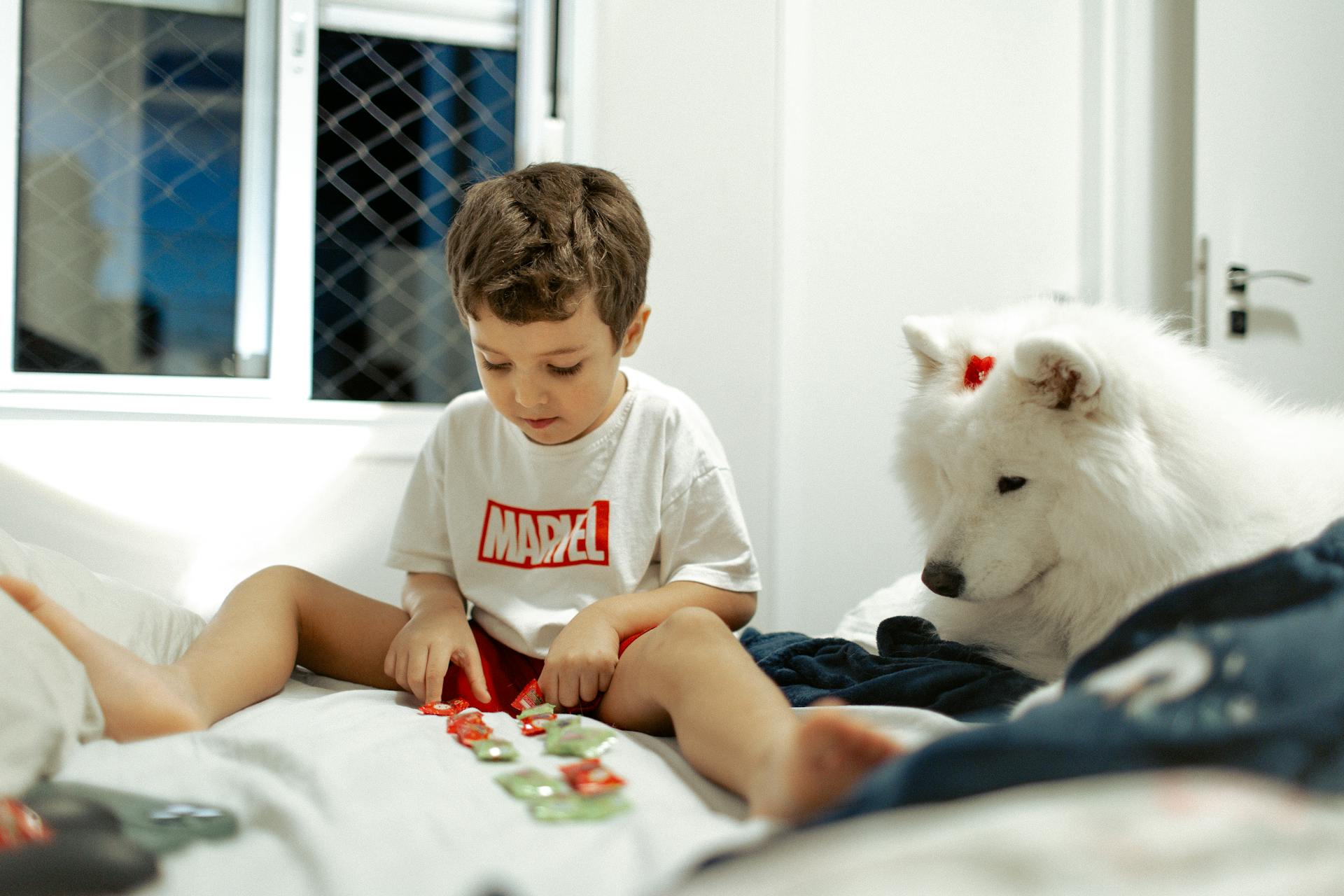
Dogs play a meaningful role in a child’s emotional and personal development. Beyond being loving companions, they provide opportunities for children to learn important life skills such as empathy and responsibility. The relationship between a child and a dog creates a nurturing environment where care, understanding, and accountability naturally grow.
Understanding Empathy Through Companionship
Empathy is the ability to understand and share the feelings of others, and dogs help children develop this quality in a natural way. By interacting with a dog, children begin to recognize emotions through behavior, body language, and reactions.
When a dog is happy, anxious, or in ned of attention, children learn to respond with care. This repeated interaction strengthens their ability to consider the feelings of others, not just animals but people as well.
Learning Responsibility Through Daily Care
Caring for a dog involves daily tasks such as feeding, grooming, and ensuring the pet’s well-being. When children participate in these responsibilities, they begin to understand the importance of consistency and commitment.
These small but regular duties teach children that their actions have consequences. A dog relies on them, which encourages a sense of accountability and discipline.
Building Emotional Awareness
Dogs help children become more aware of emotions, both their own and others’. Spending time with a pet allows children to express feelings freely, whether it is joy, frustration, or sadness.
This emotional exchange creates a safe space where children can better understand themselves. It also helps them develop patience and compassion as they respond to their dog’s needs.
Encouraging Kindness and Patience
Interacting with dogs requires gentle behavior and patience. Children learn that kindness leads to trust and positive responses, while rough behavior can cause fear or discomfort.
This understanding shapes their behavior over time. They begin to act more thoughtfully, not only with animals but also in their interactions with people.
Developing Routine and Discipline
Having a dog introduces structure into a child’s daily life. Feeding times, walks, and play sessions create a routine that children can follow and participate in.
This structure helps develop discipline. Children learn to manage time and fulfill responsibilities regularly, which can positively influence other areas of their life.
Strengthening Social Skills
The bond between children and dogs can also improve social skills. Dogs often act as companions that encourage interaction, helping children feel more confident and comfortable.
Through caring for a dog, children also learn cooperation and teamwork, especially when responsibilities are shared within the family.
Conclusion
Dogs play an important role in helping children develop empathy and responsibility. Through daily care, emotional connection, and shared experiences, children learn valuable life skills that shape their character. This relationship goes beyond companionship, becoming a powerful influence on a child’s growth, teaching them to be more caring, responsible, and emotionally aware individuals