

Blogs
Learning Through Love: How Pet Stories Teach Kids Responsibility

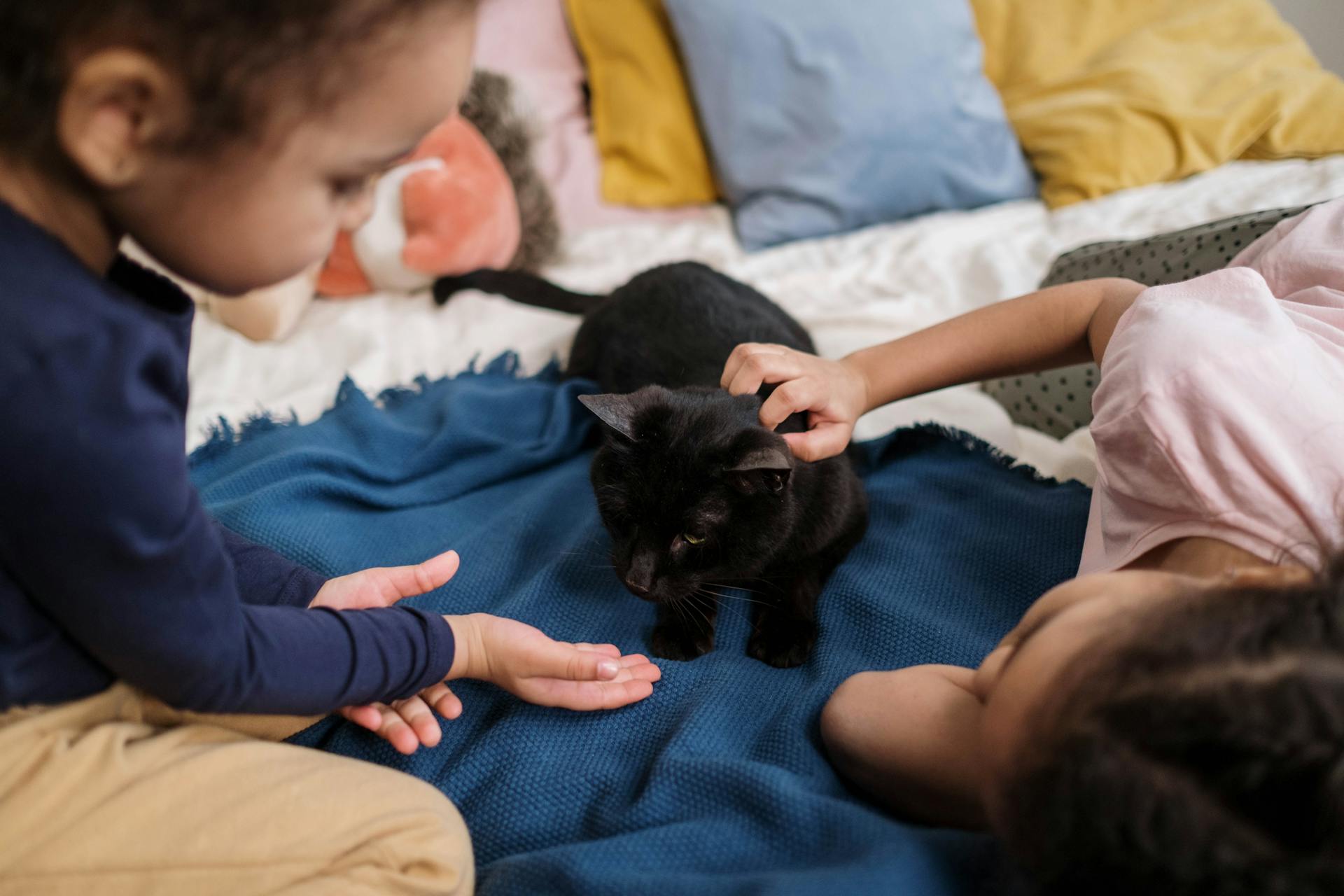
Stories about pets have always been popular among children because they combine warmth, adventure, and emotional connection. Beyond entertainment, these stories also play an important role in teaching responsibility. Through the experiences of characters caring for animals, children begin to understand the importance of commitment, patience, and daily care.
Understanding Responsibility Through Pet Care
Pet stories often show characters feeding, grooming, and protecting their animals. These simple actions help children recognize that caring for another living being requires consistency and effort.
By following these routines within a story, young readers begin to understand that responsibility is not just about completing tasks but also about showing care and attention over time.
Learning the Importance of Commitment
Pets rely on humans for their well-being, and stories often highlight this dependence. Characters who take care of pets must make sacrifices, manage their time, and remain dependable.
This teaches children that responsibility involves commitment. They learn that relationships, especially with animals, require reliability and dedication.
Building Empathy Through Animal Bonds
Stories about pets also encourage emotional understanding. Children see how animals react to kindness, neglect, affection, or fear. This helps them become more aware of emotions and the effects of their actions.
Empathy and responsibility are closely connected. When children care about how a pet feels, they are more likely to act thoughtfully and responsibly.
Teaching Patience and Problem-Solving
Many pet stories involve challenges such as training a puppy, helping a sick animal, or rebuilding trust. These situations teach children that responsibility often requires patience and problem-solving.
Instead of expecting immediate results, children learn that care and effort take time. This lesson can positively influence their behavior in other areas of life as well.
Encouraging Positive Habits and Routine
Pet stories frequently revolve around routines, including feeding schedules, walks, and regular care. Seeing these habits repeated in stories helps children understand the value of structure and discipline.
Routines create a sense of stability and encourage children to develop organized habits in their own lives.
Emotional Growth Through Storytelling
The emotional journeys in pet stories often leave a lasting impression. Children experience joy, concern, and relief alongside the characters, making the lessons more meaningful.
Because these stories are emotionally engaging, the values they teach are more likely to stay with children and influence their actions over time.
Strengthening Family and Social Values
Pet stories often involve teamwork and family cooperation. Characters may work together to care for an animal, showing children the importance of helping others and sharing responsibilities.
This reinforces social values such as cooperation, kindness, and mutual support, which are essential for healthy relationships.
Conclusion
Stories about pets help children learn responsibility by combining emotional connection with practical life lessons. Through caring for animals, characters demonstrate commitment, patience, empathy, and accountability. These stories not only entertain young readers but also guide them toward becoming more thoughtful, dependable, and compassionate individuals.