

Blogs
Heartwarming Bonds: Why Animal Friendship Stories are Good for Kids

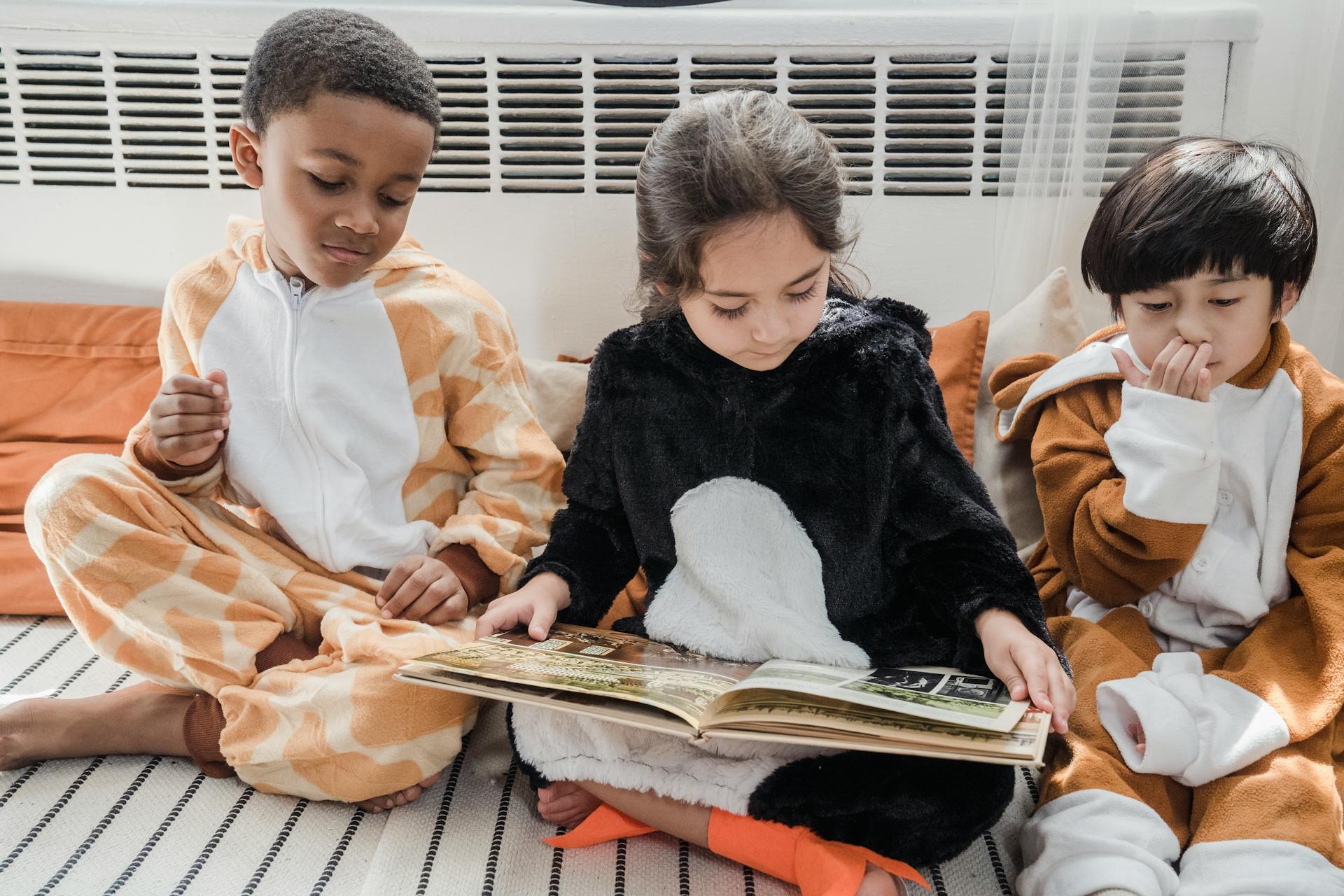
Animal friendship stories have been a beloved part of children’s literature for generations. These stories combine adventure, emotion, and imagination while teaching valuable lessons about kindness, trust, and compassion. Through the bond between animals and characters, children learn important social and emotional skills that contribute to their personal growth.
Teaching Empathy Through Animal Characters
One of the biggest reasons animal friendship stories are important is that they help children develop empathy. When animals are portrayed with emotions and personalities, children begin to understand feelings from another perspective.
Young readers often connect deeply with these characters, feeling their happiness, fear, or sadness. This emotional connection encourages children to become more caring and understanding in real life.
Encouraging Kindness and Compassion
Animal friendship stories frequently highlight acts of kindness, loyalty, and support. Characters may rescue animals, care for injured pets, or form meaningful bonds built on trust.
These examples teach children the value of compassion. They learn that kindness can strengthen relationships and positively impact others, whether human or animal.
Supporting Emotional Development
Stories involving animal friendships often explore emotions in a gentle and relatable way. Children see characters overcome loneliness, fear, or challenges with the help of their animal companions.
This helps children understand and express their own feelings more effectively. It also reassures them that emotions are a natural part of life.
Inspiring Imagination and Creativity
Animal friendship stories encourage imagination by creating worlds where animals think, communicate, and form relationships similar to humans. These imaginative elements make stories exciting and memorable for young readers.
Imaginative storytelling also supports creative thinking. Children learn to explore ideas, visualize different situations, and engage more deeply with reading.
Teaching Values Through Simple Narratives
Complex life lessons are often easier for kids to understand when presented through simple stories. Animal friendship tales commonly include themes such as honesty, teamwork, courage, and responsibility.
Because these lessons are woven naturally into the narrative, children absorb them without feeling like they are being taught directly.
Building a Love for Reading
Children are naturally drawn to stories about animals. Their curiosity and affection for animals make these books enjoyable and engaging. This enjoyment encourages regular reading habits, which are important for language development and learning.
When children connect emotionally with stories, they become more interested in books and storytelling overall.
Strengthening Social Understanding
Animal friendship stories also help children understand relationships and social behavior. Through interactions between characters and animals, they learn about trust, cooperation, and emotional support.
These lessons can influence how children interact with family, friends, and classmates, helping them develop healthier social connections.
Conclusion
Animal friendship stories are good for kids because they combine entertainment with meaningful emotional and social lessons. They help young readers develop empathy, kindness, creativity, and understanding while fostering a love for reading. Through these heartfelt stories, children learn not only about friendship with animals but also about becoming more compassionate and thoughtful individuals